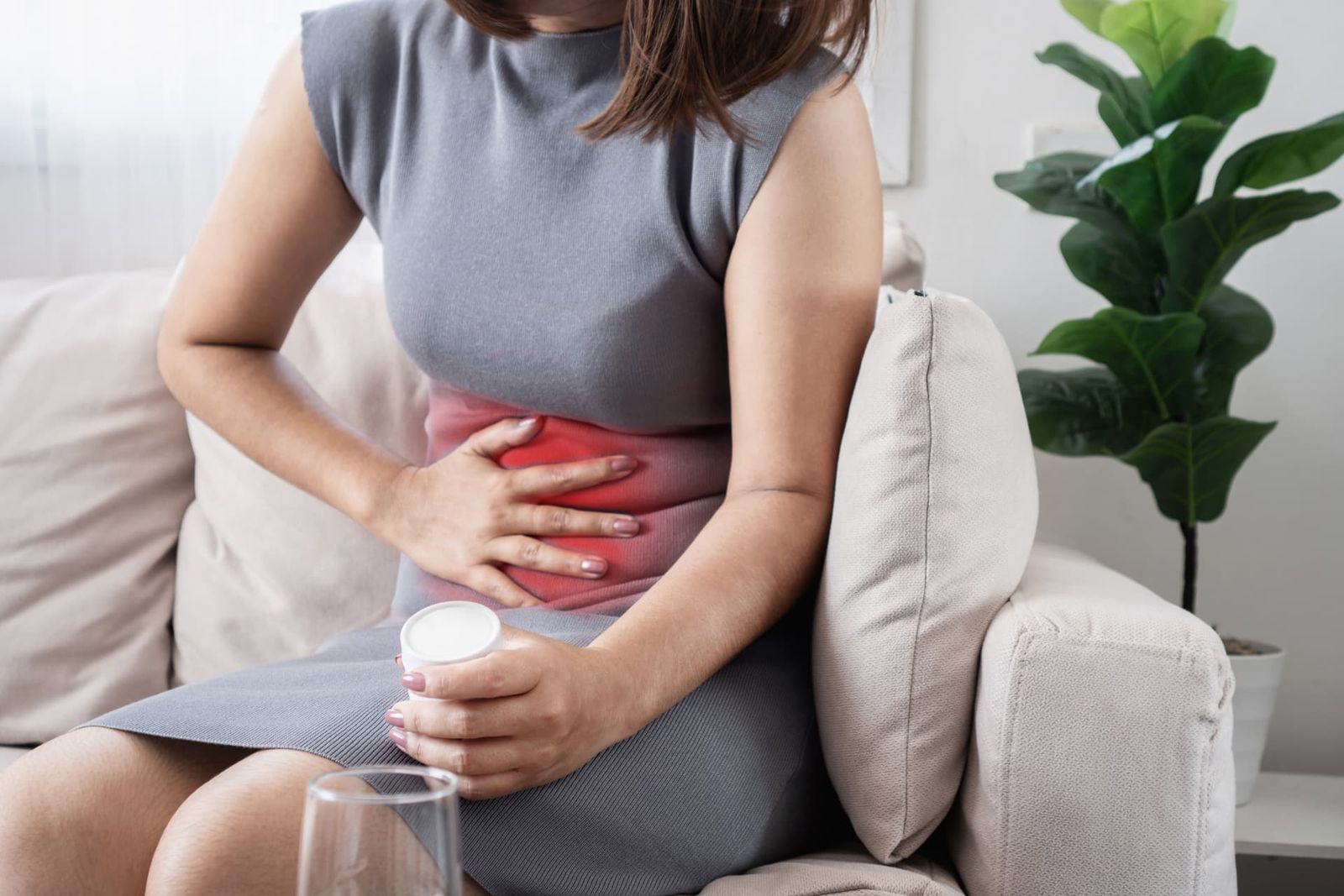
A complete guide to colonoscopy preparation: diet, timing, laxatives and answers to the most common questions.
Colonoscopy preparation is the part of the process that raises the most questions and, at the same time, has the greatest influence on the exam's outcome. A well-cleansed colon allows the specialist to clearly see the intestinal lining and detect polyps just a few millimeters in size. A poorly prepared colon forces the study to be repeated, with the added cost and time that involves.
In this guide, we explain in simple terms what to eat and avoid in the days before, how to take the laxative, how long the procedure takes and what to expect afterward. We also answer the questions patients ask most before scheduling their appointment.
What is a colonoscopy and what is it for?
A colonoscopy is an exam in which the gastroenterologist inserts a flexible tube with a camera at the tip to examine the inside of the large intestine. It is the most complete study for evaluating the colon because it allows the doctor to view the lining, take biopsies and remove polyps in the same session.
It is mainly recommended in the following cases:
- Colorectal cancer screening starting at age 45 or 50, depending on medical history.
- Family history of colon cancer or polyps.
- Rectal bleeding, anemia of unclear origin, or persistent changes in bowel habits.
- Recurrent abdominal pain or unexplained weight loss.
- Follow-up of inflammatory bowel disease or previously found polyps.
Colonoscopy preparation: what to do day by day
One week before
- Tell your doctor about all the medications you take, especially blood thinners, aspirin, iron and diabetes medications.
- Stop iron supplements five to seven days beforehand, always under your doctor's guidance.
- Confirm who will accompany you and take you home, since you will not be able to drive after sedation.
Three days before
Start reducing fiber and residue in your diet. Avoid:
- Seeds, whole grains, nuts and popcorn.
- Fruits with skin or small seeds, such as strawberries, kiwi and grapes.
- Raw vegetables, salads and leafy greens.
- Legumes such as beans, chickpeas and lentils.
The day before
This is the key day of colonoscopy preparation. Only clear liquids are allowed all day.
You may drink: water, strained fat-free broth, tea without milk, light-colored gelatin, pulp-free apple or white grape juice, and clear-colored sports drinks.
You may not drink: dairy, juices with pulp, alcohol, or any red, purple or orange liquids, since they can be mistaken for blood during the exam.
In the afternoon or evening you should start the laxative prescribed by your doctor. Drink it cold, in steady sips, along with plenty of clear liquids. The preparation is working when bowel movements become liquid and clear, similar in color to light urine.
The day of the exam
- If your doctor prescribed a second laxative dose, take it at the assigned time, usually four to six hours before your appointment.
- Stop all liquids two to three hours before the procedure.
- Arrive wearing comfortable clothing, without jewelry, and bring your ID.
- Come accompanied and set aside the rest of the day to rest.
Sedation in every procedure
Our endoscopic procedures are performed with sedation for your comfort.
Frequently asked questions about colonoscopy
Does a colonoscopy hurt?
Our endoscopic procedures are performed with sedation for your comfort. Upon waking, it's normal to feel bloating or gas for a couple of hours, a mild discomfort that eases with a bit of walking. For most people, the uncomfortable part isn't the exam itself but the preparation the day before.
How long does it take?
Colonoscopy takes approximately 25 to 30 minutes.
Is it safe?
Yes. A colonoscopy is a routine procedure with a very high safety profile when performed by an experienced gastroenterologist. Serious complications are rare. The real risk usually lies in not having it done, since colorectal cancer can develop for years without symptoms.
What happens if the preparation doesn't work well?
If the colon isn't clean enough, the specialist may not be able to see the entire lining, and the exam will likely need to be repeated soon. That's why it's worth following the diet exactly and completing the full laxative dose, even if bowel movements already look clear.
Can I take my medications?
Most of them, yes, with a small amount of water. Blood thinners, insulin and some diabetes medications require adjustment. Never stop them on your own — check with your treating physician.
How often should I repeat it?
If the result is normal and you have no risk factors, the usual interval is 10 years. If polyps were found or there is a family history, follow-up may be needed every 3 to 5 years, based on the specialist's judgment.
Colonoscopy versus other screening tests
Many patients wonder whether they can replace a colonoscopy with a lab test. Here are the main differences:
- What it detects: colonoscopy identifies polyps, inflammation, lesions and early-stage cancer; a fecal occult blood test only shows signs of bleeding, not its cause.
- Preparation: colonoscopy requires a diet and bowel cleansing over 1 to 3 days; the stool test requires no preparation.
- Treatment on the spot: colonoscopy allows polyps to be removed and biopsies taken; the stool test only helps guide diagnosis.
- Typical frequency: colonoscopy every 5 to 10 years if the result is normal; fecal occult blood test, annually.
Warning signs after the exam
Recovery is usually quick and uneventful, but contact your doctor immediately if you experience:
- Severe abdominal pain or pain that worsens over time.
- Heavy or persistent rectal bleeding.
- Fever above 38°C (100.4°F).
- Repeated vomiting or a hard, distended abdomen.
Conclusion
Good colonoscopy preparation comes down to three things: reducing residue in your diet in the days before, drinking the full laxative solution at the indicated times, and arriving accompanied on the day of the exam. Following these steps increases the accuracy of the study and reduces the chance of having to repeat it.
If you have questions about your preparation, the medications you take, or whether it's time to have the exam, consult our team. We'll help answer every question and schedule your colonoscopy with the support you need.
Related service: Colonoscopy