Discover which everyday habits disrupt your gut microbiome, what the warning signs are, and when to consult a gastroenterologist.
How do you know if your habits are damaging your gut microbiome?
Your gut hosts trillions of microorganisms that work silently every day: they help digest food, regulate the immune system and even influence mood. This collection of bacteria, viruses and fungi is called the gut microbiome, and it's more fragile than it appears.
The good news is that the microbiome responds quickly to lifestyle changes. The bad news: many everyday habits we consider harmless may be disrupting that balance without you realizing it yet.
What is gut dysbiosis and why does it matter?
When the microbiome becomes unbalanced, it results in what specialists call gut dysbiosis. This imbalance can show up as symptoms like gas, bloating, slow digestion, mood changes and even new food intolerances.
It goes beyond the digestive system: dysbiosis is considered a risk factor associated with cardiovascular and gastrointestinal disease, allergies, obesity, diabetes and autoimmune conditions.
Signs that something isn't right in your gut
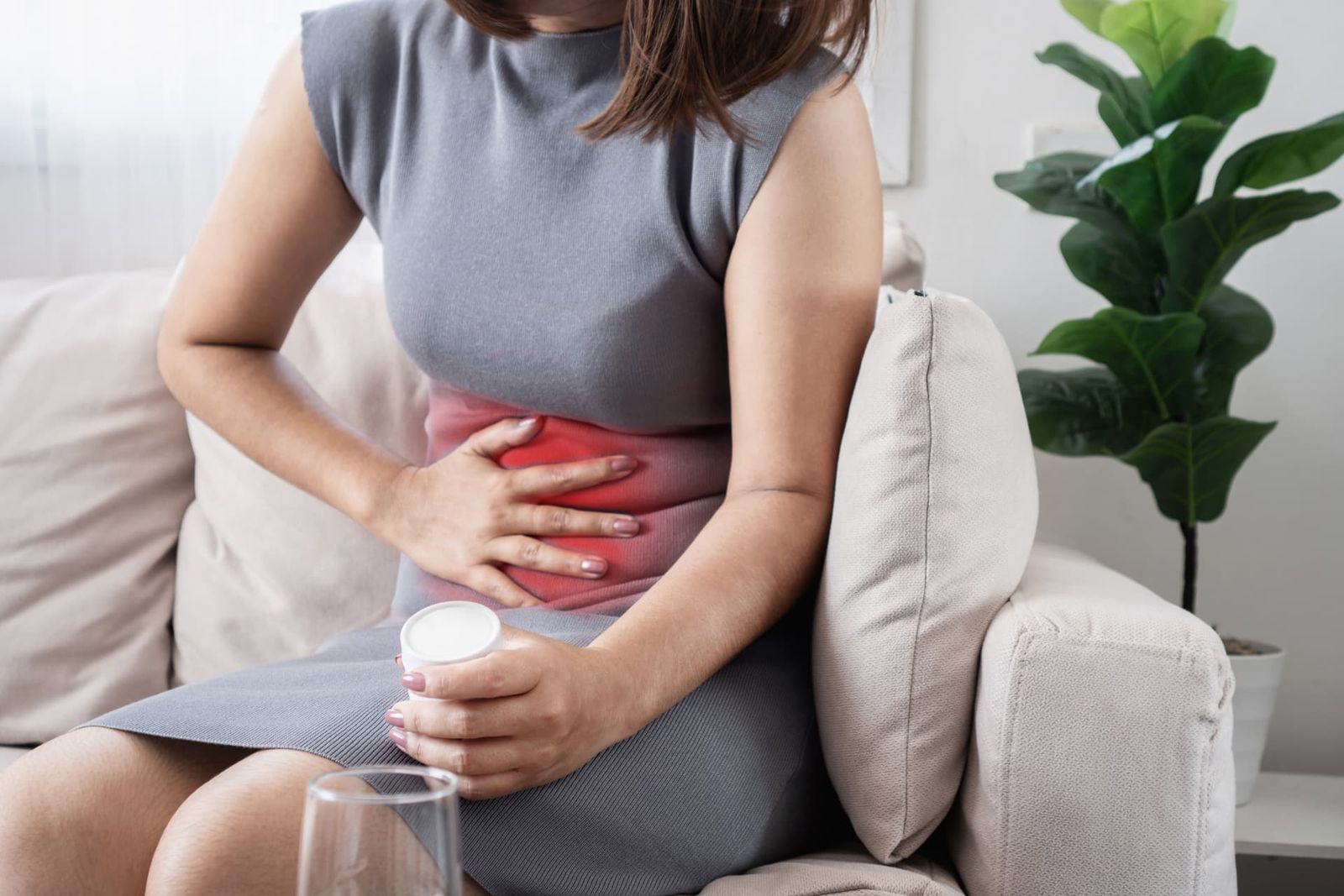
Before discussing habits, it's useful to recognize the warning signs. Among the most common are abdominal bloating that appears by the end of the day, fatigue that won't go away, uncontrollable sugar cravings, brain fog and sudden irritability.
- Recurring bloating and abdominal distension
- Constipation or diarrhea with no apparent cause
- A feeling of heaviness after eating
- Food intolerances you didn't have before
- Persistent white coating on the tongue
If several of these symptoms sound familiar, it's worth paying attention to your habits.
The habits that most damage your microbiome
1. Eating a low-variety diet
Eating the same foods over and over, even if healthy, impoverishes the gut ecosystem. Without the variety of fibers found in legumes, fruits and seeds, the production of essential metabolites drops and the resilience of beneficial bacteria weakens.
2. Excessive alcohol and ultra-processed food intake
Alcohol directly damages the intestinal barrier, causing what is known as "leaky gut." Meanwhile, soft drinks and sugar-laden beverages feed harmful bacteria, trigger inflammation and reduce the presence of beneficial microorganisms.
3. Chronic stress
There is a proven link between the brain and the gut, known as the gut-brain axis. Sustained stress can alter bacterial composition, damage the intestinal lining and promote inflammatory processes.
4. Frequent antibiotic use without medical supervision
Antibiotics don't distinguish between harmful and beneficial bacteria. Taking them without real need or medical follow-up can wipe out entire colonies of microorganisms that the body needs to function well.
5. Poor or irregular sleep patterns
Drastic changes in eating and sleeping patterns affect bacterial composition and the production of beneficial metabolites. The gut has its own biological rhythm too, and disrupting it has consequences.
6. Using artificial sweeteners
Substitutes like sucralose, saccharin or aspartame can alter microbial composition and function, challenging the idea that they are completely harmless to the body.
Frequently asked questions about the microbiome
Can a test tell me if I have gut dysbiosis?
Yes. Stool analysis can provide relevant information about the state of the microbiota, although there is no single diagnostic test that determines it definitively. A gastroenterologist will assess your symptoms, medical history and test results to guide the diagnosis.
Is gut dysbiosis curable?
Dysbiosis isn't a disease as such, but a state that can be reversed. Adopting self-care habits aimed at protecting the gut ecosystem helps strengthen overall health, boosts resistance to illness and contributes to long-term physical and mental well-being.
Do probiotics help restore the microbiome?
They can be a useful tool, but they are not a universal solution. Their effectiveness depends on the type of bacteria, the dose and each person's specific issue. Before taking supplements, it's best to consult a specialist.
Is this related to irritable bowel syndrome?
Yes, there is a close relationship. Gut-brain axis disorders, such as irritable bowel syndrome, are frequently associated with microbiome imbalances. A gastroenterologist can help you tell the two conditions apart and treat them appropriately.
What can you do starting today?
Restoring microbiome balance doesn't require radical overnight changes. Small, sustained adjustments make the difference:
- Increase the variety of fruits, vegetables and legumes in your diet
- Reduce your intake of alcohol, sugar and ultra-processed foods
- Prioritize sleep and establish regular meal times
- Manage stress with physical activity or relaxation techniques
- Avoid self-medicating with antibiotics
Conclusion
The gut microbiome is one of the most important yet least visible systems in the body. What you eat, how you sleep and how you manage stress all directly affect it, and its warning signs usually appear before a bigger problem sets in.
If you've had unexplained digestive symptoms for a while, don't dismiss them as normal.
Do you have digestive symptoms you can't explain?
The Endogastro team can assess your gut health and provide personalized guidance. A timely consultation is the first step toward digestive well-being. Schedule your appointment today.